
- Financial insecurity is a major concern for the younger generation, making financial literacy education a task for society as a whole.
- The EOS Group is committed to delivering hands-on educational initiatives for young people in several countries.
- By raising awareness of financial literacy topics from an early age, young people learn to manage money responsibly and avoid excessive debt.
How can you keep track of your finances? What risks are associated with buying on credit? And what steps can you take to get out of debt again? The EOS Group’s educational initiatives tackle these central questions with the aim of bolstering financial literacy, especially among the younger generation.
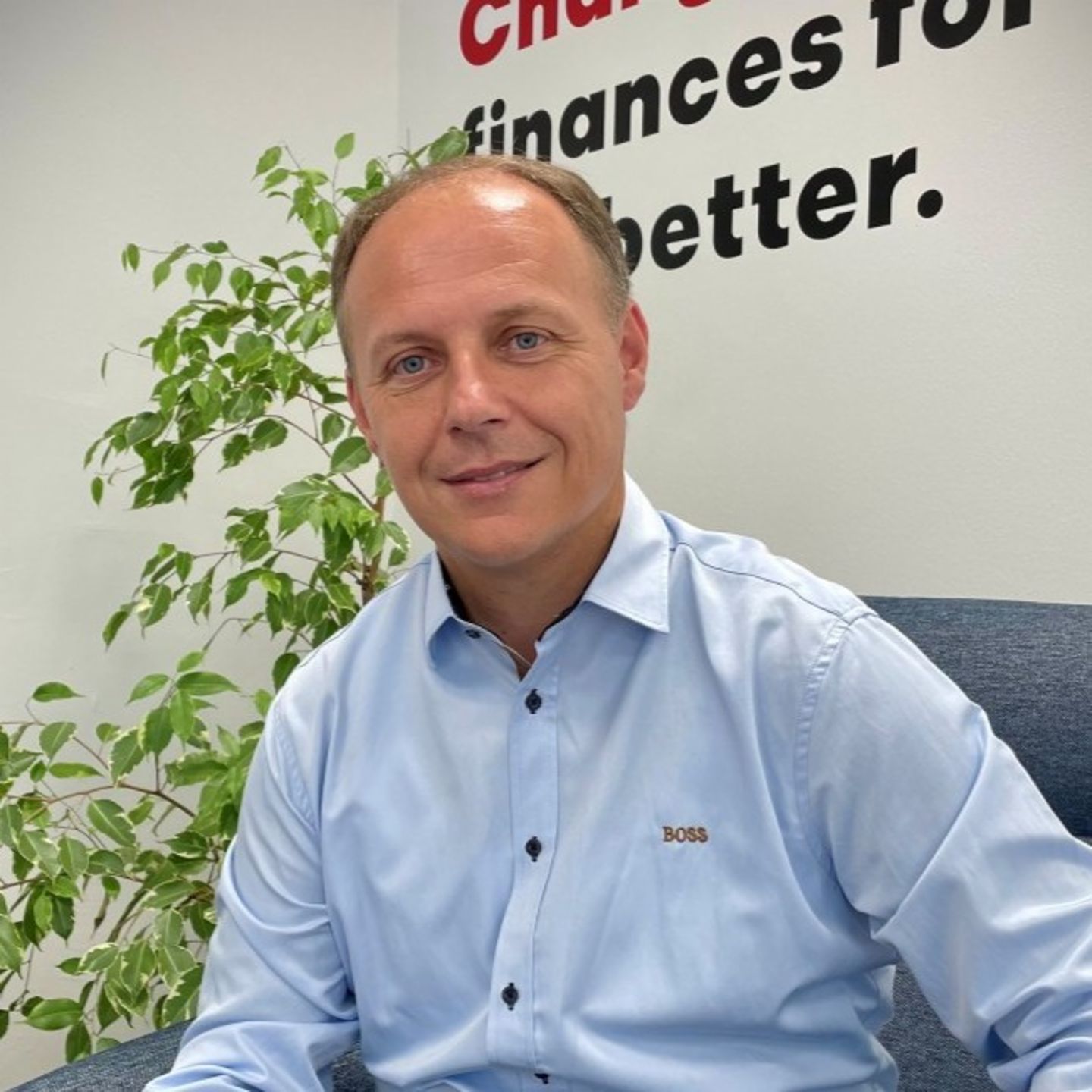
When young people grasp how their financial choices affect their lives, they are empowered to live economically independent lives characterized by self-determination.
Financial insecurity is on the rise
Two recent studies by the consulting and auditing firms EY and Deloitte underscore the relevance of EOS’s commitment: the international EY Generations Research Study 2025 found that 87 percent of respondents from Gen Z (born between 1995 and 2010) consider financial independence to be very important. At the same time, many young adults are worried about their financial situation: in every country surveyed, the top concerns are financial stability, rising cost of living, lack of savings, the overall economic situation, affordable housing, and retirement planning.
The Deloitte Gen Z and Millennial Survey 2025 paints a similar picture. Nearly half (48 percent) of the members of Gen Z report feeling financially insecure, an 18 percentage-point increase over the previous year. More than half of the respondents reported that they are just getting by on their current income. Some 37 percent have trouble covering their fixed costs, and 41 percent are worried about their financial future.
Financial education in the classroom
This is precisely where EOS’s educational initiatives come in: “When young people grasp how their financial choices affect their lives, they are empowered to live economically independent lives characterized by self-determination. That is why we are involved in projects that teach practical financial knowledge and everyday money-management skills to help prevent over-indebtedness in one’s personal life,” explains Gregor Guček, Case Manager at EOS in Slovenia. This commitment is backed by the company’s financial literacy organization, the finlit foundation, and by the EOS national subsidiaries with their wide range of initiatives.
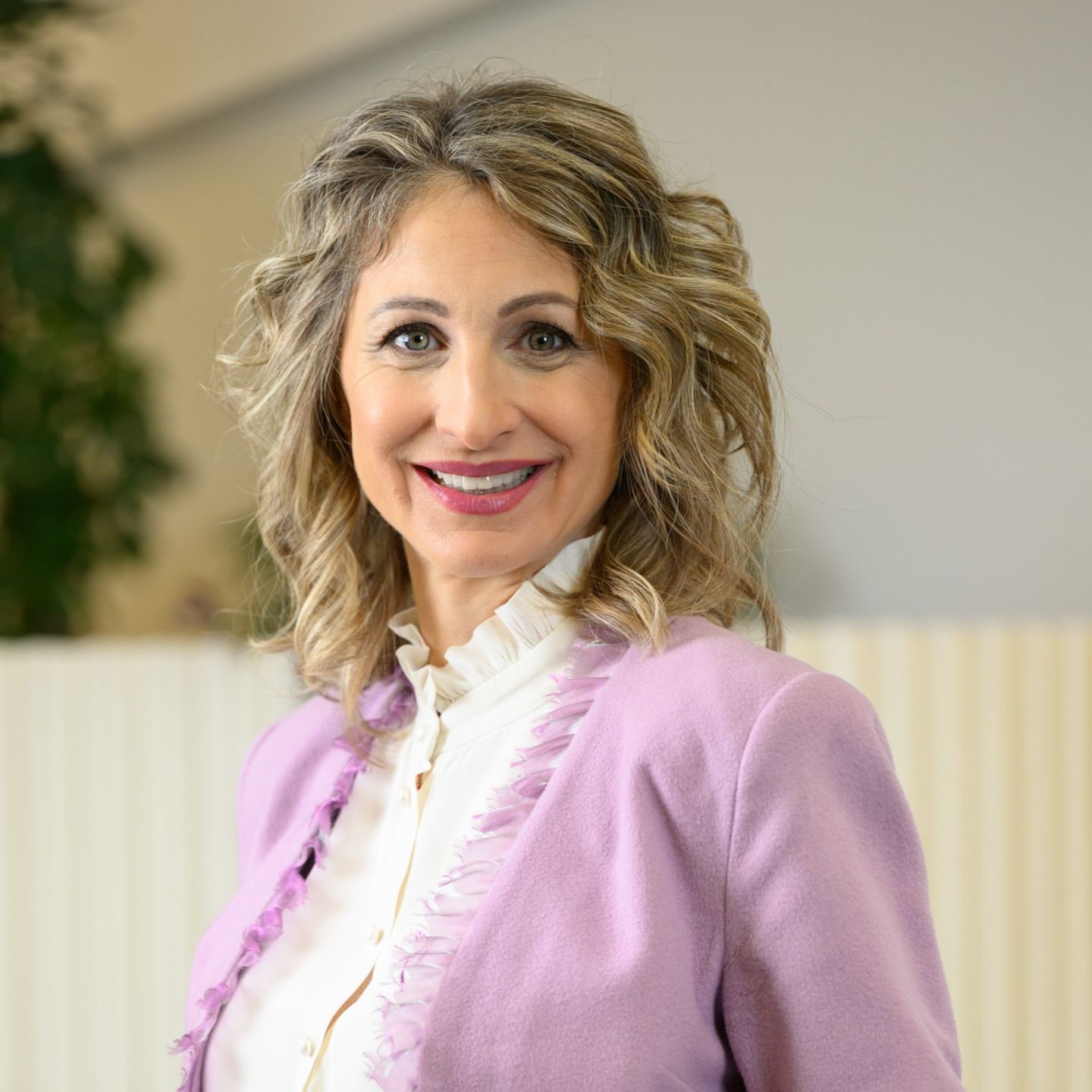
When we know our true priorities and make mindful use of our money, a budget is not a sacrifice but a tool for living well.
OhMoney, an educational program developed under the finlit umbrella, targets young people aged 13 to 17. Using age-appropriate media such as interactive videos, adolescents can be prepared to manage their first salary and their financial responsibilities, like renting their first apartment. In partnership with a nonprofit educational partner, finlit has created digital and print teaching materials that it provides free of charge for classroom use by teachers. The foundation also participates in project weeks at German secondary schools. In 90-minute sessions, project staff and students examine the complex issue of debt together.
Local initiatives with a common goal
EOS employees regularly teach students at schools how to manage their personal finances and discuss debt with young people in Slovenia as well. “Teaching young people about finances is an investment not only in their own future but also in the long-term stability and resilience of society,” explains Gregor Guček, describing the motivation behind this commitment.
In Bulgaria, EOS reaches young people through digital channels: Reny Mitkova, Managing Director at EOS in Bulgaria, hosts a podcast on financial literacy for the up-and-coming generation. She hosts free webinars offering practical guidance on achieving financial freedom without unnecessary sacrifice. Her mission is to help one million young people and their parents achieve lasting financial independence. “When we know our true priorities and make mindful use of our money, a budget is not a sacrifice but a tool for living well,” Reny Mitkova says.
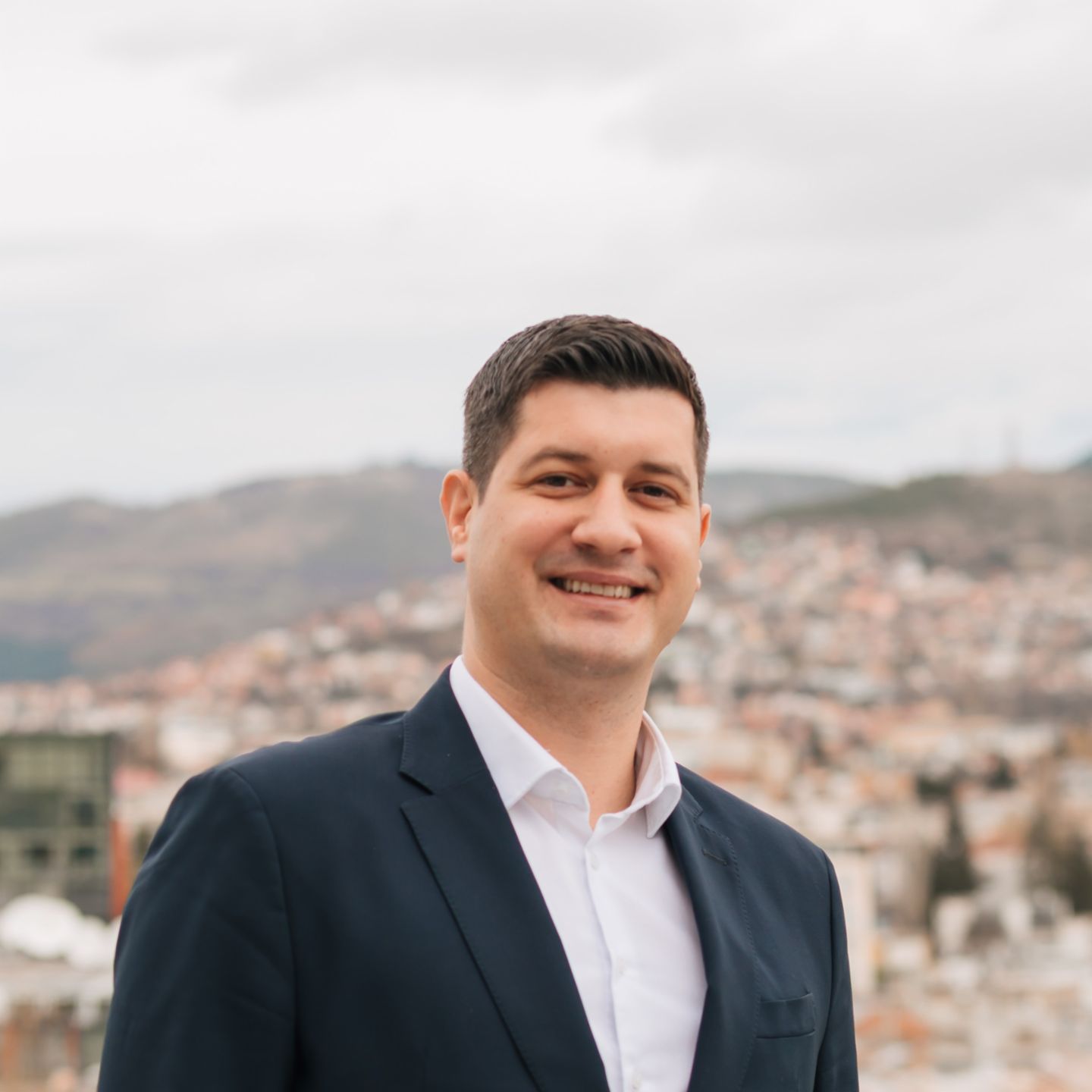
If you’ve reached a point where you can no longer repay your debts, don’t simply ignore them.
Another example of the EOS national subsidiaries’ commitment to greater financial literacy is their support for the “Money Tik Talk Sarajevo” conference in October of last year, which was attended by more than 100 young people from across Bosnia and Herzegovina. In interactive workshops, facilitators directly engaged in dialog with young people, helping them critically examine their spending habits and the influence of social media. Building on this success, this project will continue in February in two more cities in Bosnia and Herzegovina, namely Mostar and Banja Luka.
Petar Mrkonjić, Managing Director of EOS MATRIX in Bosnia and Herzegovina, emphasized the importance of responsible debt management. He urged openness and taking action at an early point in time to avoid falling into a debt trap: “If you’ve reached a point where you can no longer repay your debts, don’t simply ignore them. The most important thing is to look to enter into a conversation and develop a plan.”

Would you like to learn more about our initiatives for greater financial literacy? Then please get in touch with us.
Carina Bonde
Corporate Communications & Marketing
Phone: + 49 173 2979331
Explore more insights from EOS